Action Potential Waveform Analysis in Human IPSC-Cardiomyocytes Enables Mechanistic Assessment of Multichannel Cardiac Effects

David McCoull¹, Jonathan M Large¹, Alex Loucif², Raymond Tang², Ian Witton², Lewis Byrom¹, Edward Stevens², Jeff Jerman¹, Paul D Wright¹
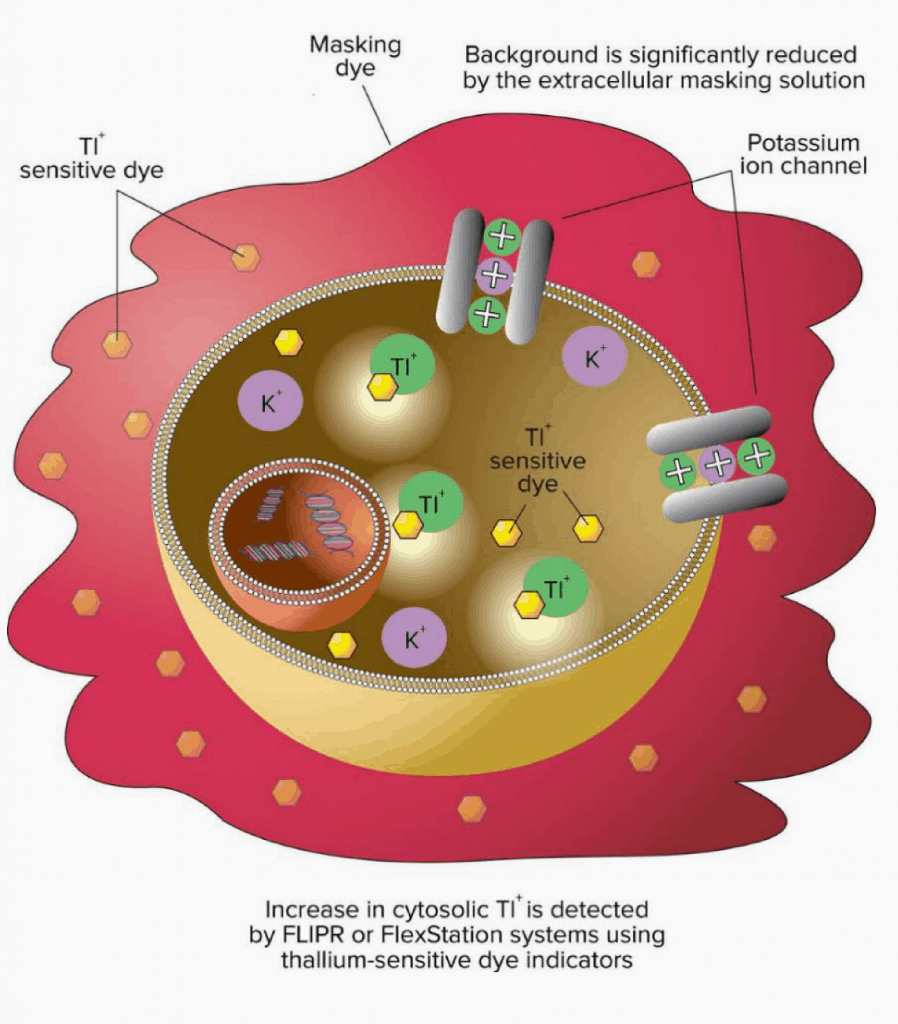
Figure 1: Illustration showing the use of intracellular thallium-sensitive dye to measure ion conduction through potassium channels as a screening assay to measure the effects of modulator compounds.
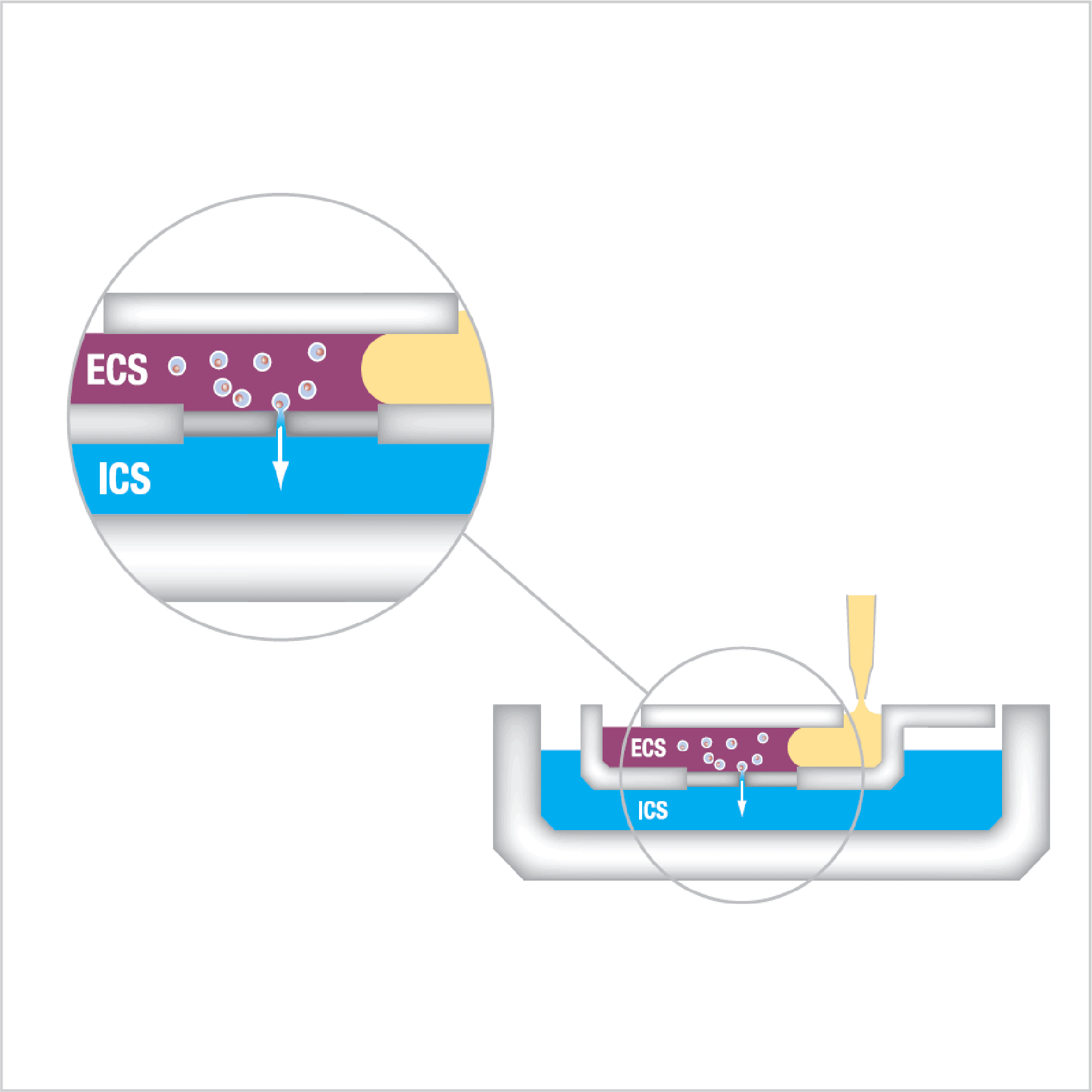
Figure 2: Illustration of automated patch clamp ‘chip’ well where cells are flowed over holes in a borosilicate substrate to obtain whole-cell access and enable patch clamp recordings of ion channel activity, and the effects of compounds added to each well (yellow).

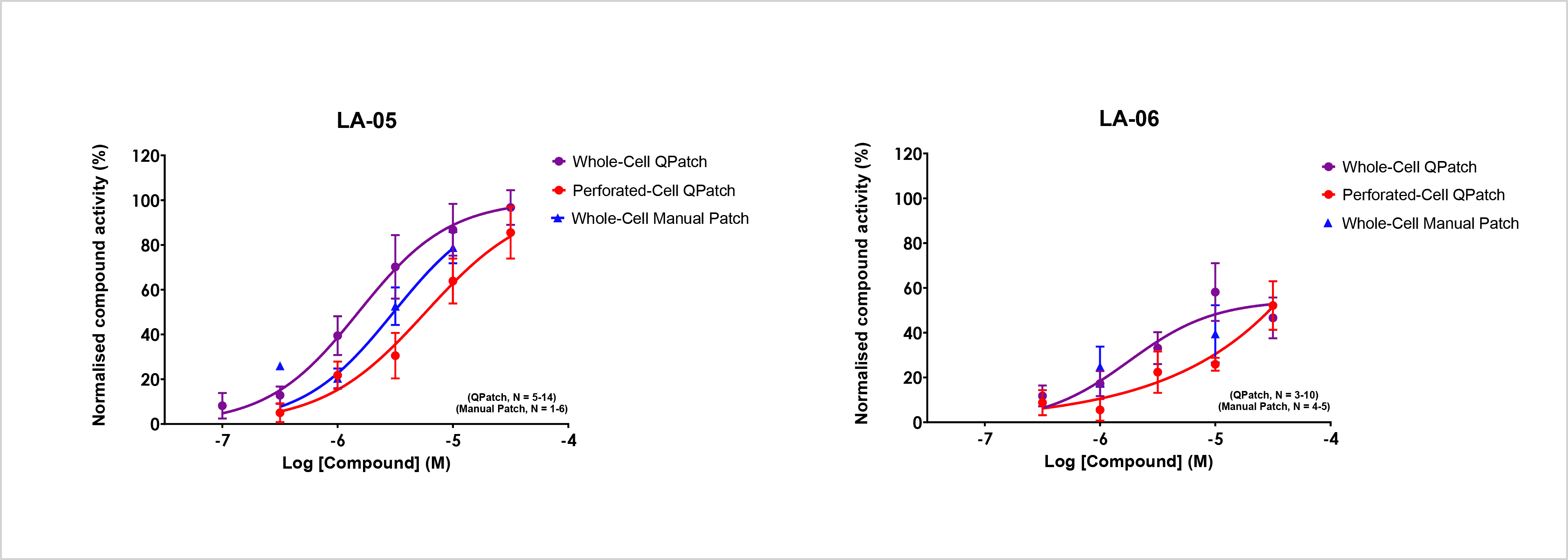

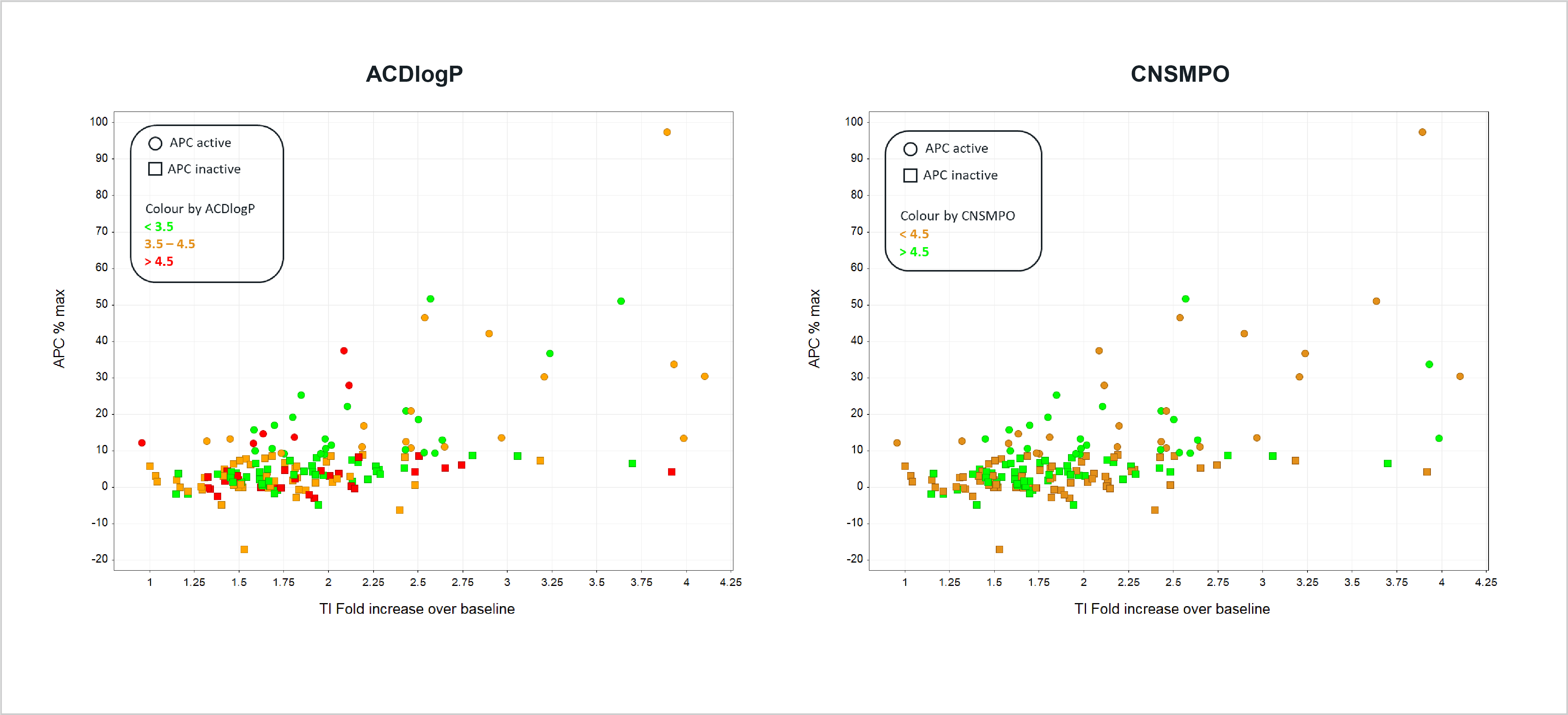
Figure 5: Comparison of K2P hit compound activity obtained by thallium flux HTS assay with hit validation activity from an APC (QPatch) platform.
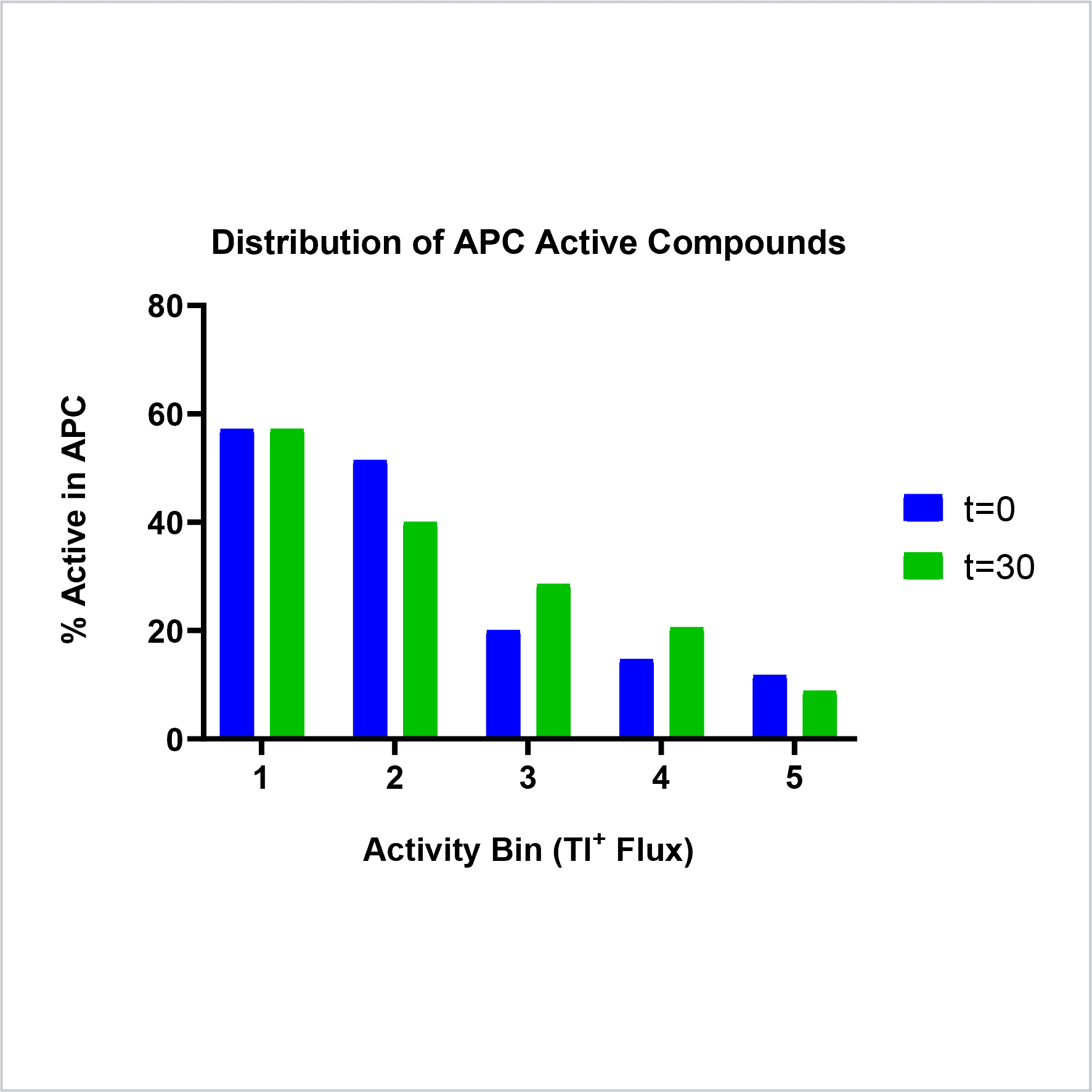
Figure 6: Correlation between thallium flux and APC hit compound activity is strongest for the most active compounds (bins 1-2) and for less active compounds pre-incubated in the thallium flux assay (green bars).
Action Potential Waveform Analysis in Human IPSC-Cardiomyocytes Enables Mechanistic Assessment of Multichannel Cardiac Effects
Cardiac toxicity remains the leading cause of new drug safety side-effects. Current preclinical cardiac safety assays rely on in vitro cell-based ion channel assays and ex vivo and in vivo animal models⁽¹⁾. These assays provide an indication of acute risk but they do not always predict the effect of chronic compound exposure, as recently seen with oncology drugs. Therefore, new assays are required to characterise chronic structural and functional effects in human cells earlier in drug discovery. Impedance-based technology can provide more accurate chronic cardiotoxicity measurements in an efficient manner using human induced pluripotent stem cell-derived cardiomyocytes (hiPSC-CMs).