What is CiPA screening?
The Comprehensive In Vitro Proarrhythmia Assay (CiPA) is a cardiac safety assessment framework that combines multi-ion channel screening, in silico modelling and human-relevant cardiac electrophysiology data to improve prediction of proarrhythmic risk.
How does CiPA improve cardiac safety assessment?
CiPA improves cardiac safety assessment by evaluating compound effects across multiple cardiac ion channels and integrating these data into predictive in silico models. This approach provides a more comprehensive assessment of proarrhythmic risk than reliance on hERG screening alone.
Which ion channels are included in the CiPA panel?
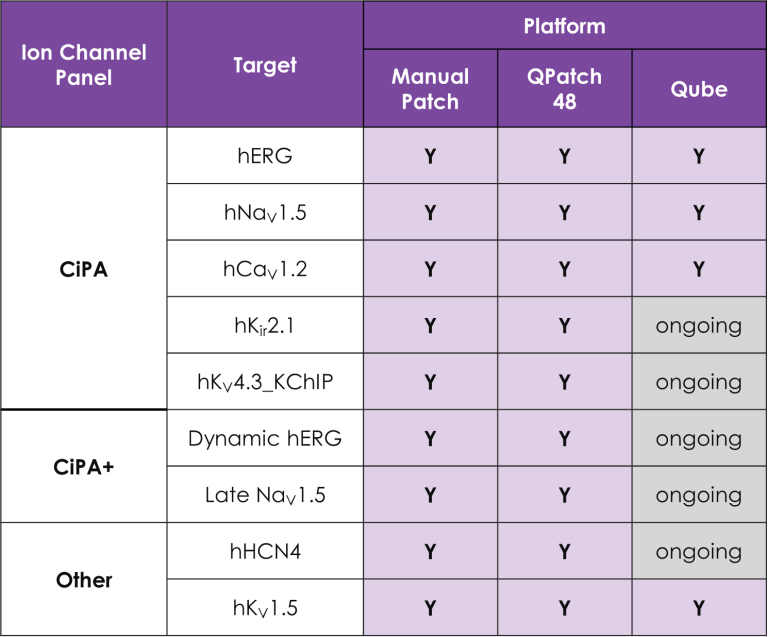
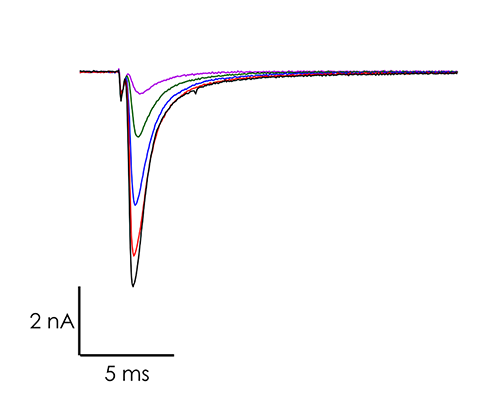
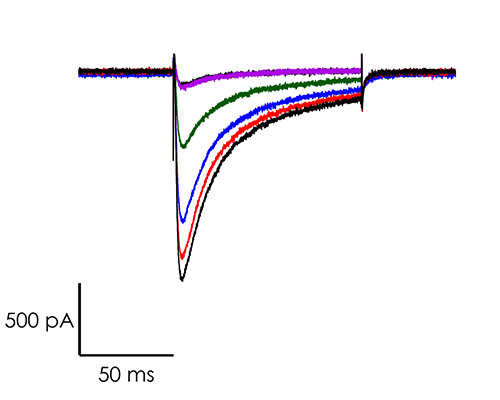
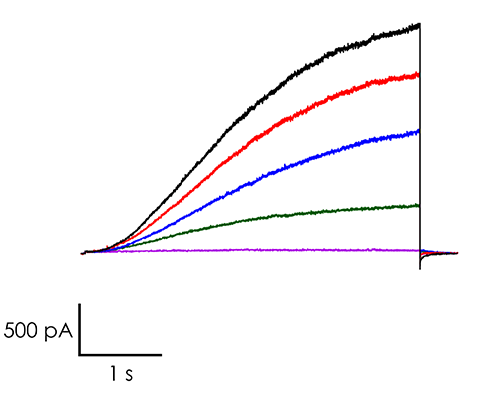
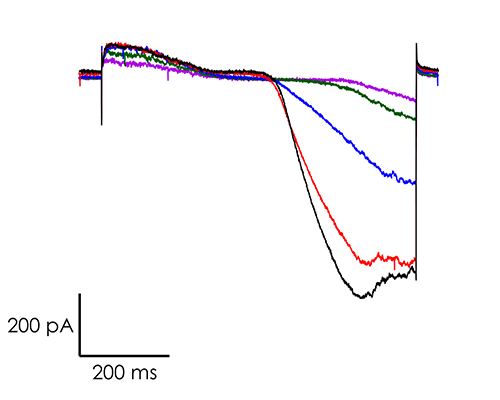
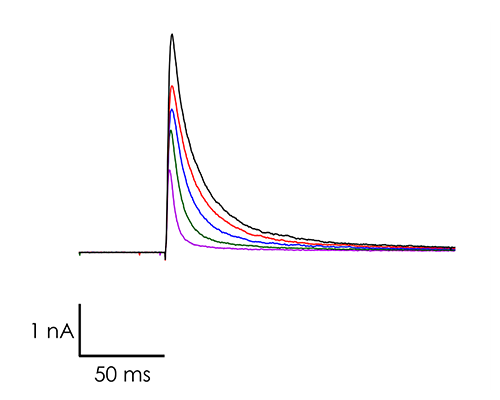
The core CiPA panel includes hERG, peak and late NaV1.5, CaV1.2, KCNQ1/KCNE1, Kir2.1 and KV4.3.
What electrophysiology platforms does Metrion use for CiPA studies?
Metrion offers CiPA screening using Sophion QPatch48, Sophion Qube and gold-standard manual patch clamp electrophysiology.
What is the dynamic hERG assay?
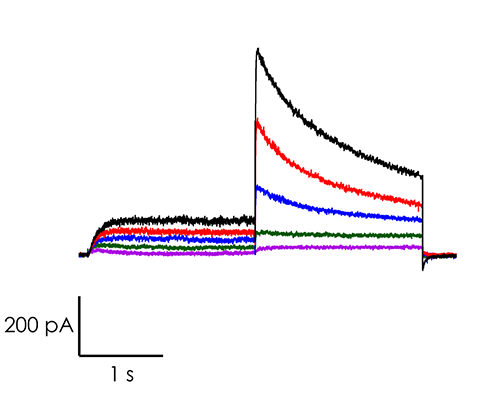
Metrion's dynamic hERG assay uses the Milnes voltage protocol to provide a more physiologically relevant assessment of compound interactions with the hERG channel and generate data suitable for advanced cardiac risk modelling.
What is the difference between hERG screening and CiPA screening?
hERG screening assesses compound effects on a single cardiac ion channel associated with QT prolongation risk. CiPA screening evaluates multiple cardiac ion channels and incorporates in silico modelling to provide a broader assessment of proarrhythmic liability.
Who produces the Qube, QPatch platforms?
The Qube and QPatch automated patch clamp platforms are developed by Sophion Bioscience, a leading provider of electrophysiology instrumentation for ion channel research, drug discovery and safety pharmacology.