Unlocking ion channel opportunities in drug discovery through electrophysiology

Translating ion channel science into therapeutic opportunity

Ion channels offer significant opportunities for the development of new therapeutics, but translating promising biology into robust drug discovery programmes requires specialist expertise.

Metrion is a specialist ion channel CRO combining deep ion channel expertise with automated and manual electrophysiology, pharmacology and cell biology to support drug discovery from target and assay development through screening, compound characterisation and lead optimisation. Our scientists help researchers understand target and compound behaviour, generate robust functional data and make confident decisions throughout drug discovery.

Ion channels return to centre stage in pain drug discovery

Renewed interest in ion channels as therapeutic targets, combined with advances in automated electrophysiology and cellular technologies, is opening new opportunities for pain drug discovery. Recent breakthroughs have strengthened confidence in targeting ion channels, with growing interest in NaV1.7, NaV1.8 and NaV1.9 for the development of novel pain therapeutics.

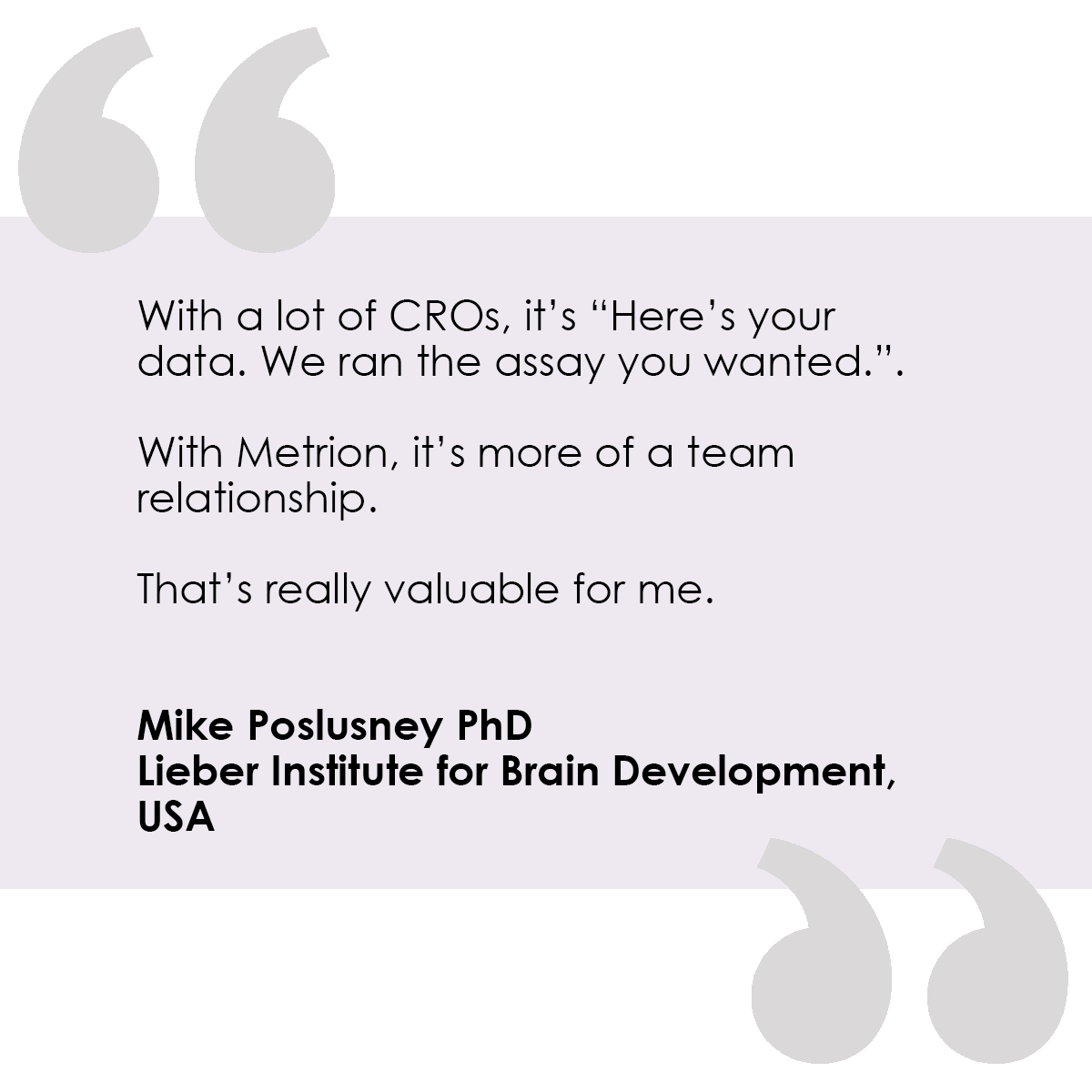
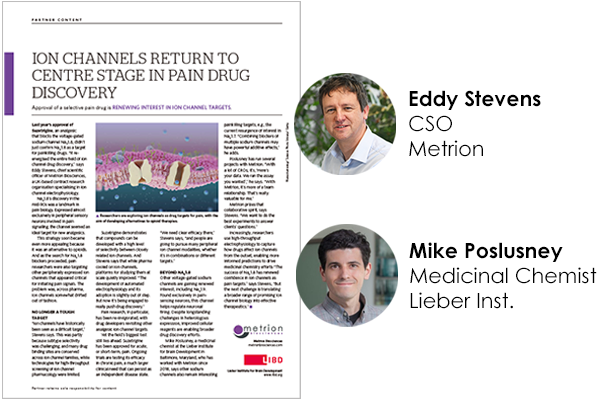
An article published in Nature explores this resurgence, with perspectives on the evolving landscape of ion channel drug discovery. Featuring insights from Eddy Stevens PhD, Metrion's Chief Scientific Officer, and Mike Poslusney PhD, Medicinal Chemist at the Lieber Institute for Brain Development, the article highlights the importance of scientific expertise, advanced electrophysiology and collaborative research in translating promising ion channel biology into effective therapeutics.

Download article
Nature: Ion-channels returning to centre stage_Eddy Stevens_Mike Poslusney

From promising biology to actionable data

Advances in ion channel science and electrophysiology are opening new opportunities to investigate targets that have historically been difficult to study.

Success depends on more than access to technology. It requires understanding the biology and pharmacology of the target, selecting the right experimental system, developing robust assays and interpreting functional data in the context of the wider drug discovery programme.

At Metrion, our scientists work with clients to design the experimental strategy around the scientific question, from early target investigation through screening, compound characterisation and lead optimisation.

Specialist ion channel expertise across drug discovery

Target cell reagent and assay development

Develop robust experimental systems for ion channel drug discovery, including custom ion channel cell reagent generation and assay development, to investigate target function, pharmacology and therapeutic potential.

Screening and hit identification

Apply functional ion channel screening and electrophysiology to identify and characterise promising compounds.

Compound characterisation and SAR

Generate detailed electrophysiology and functional pharmacology data to support medicinal chemistry, structure-activity relationships (SAR) and compound optimisation.

Translation and decision-making

Interpret functional data in the context of target biology and compound pharmacology to guide drug discovery decisions and next experimental steps.

Deep ion channel expertise in pain and neuroscience drug discovery

Ion channels play a fundamental role in pain signalling by regulating the electrical activity and excitability of sensory neurons. Their involvement in chronic, neuropathic and inflammatory pain makes them important targets for the discovery of new analgesics.

Our scientists have extensive experience investigating therapeutically important and technically challenging ion channels involved in neuronal excitability and pain signalling, including NaV1.7, NaV1.8, NaV1.9, KV7, TRP channels, K2P channels and ASICs.

Metrion supports pain drug discovery from early target investigation and assay development through screening, compound characterisation and lead optimisation. Our capabilities combine high-throughput screening and automated electrophysiology with detailed manual patch clamp and translational neuronal assays, enabling compounds to be investigated at increasing levels of biological complexity.

From recombinant ion channel cell lines to rodent dorsal root ganglion neurons and human iPSC-derived sensory neurons, we can select the experimental system and level of biological complexity needed to answer the scientific question.

This enables researchers to investigate target function and pharmacology, characterise compound potency and mechanism of action, assess selectivity and explore compound effects in more physiologically relevant neuronal systems.

Electrophysiology approaches for ion channel drug discovery

Our scientists select and optimise the most appropriate electrophysiology approach for each target, compound and research objective, generating reliable, relevant data so clients can make more informed drug discovery decisions.

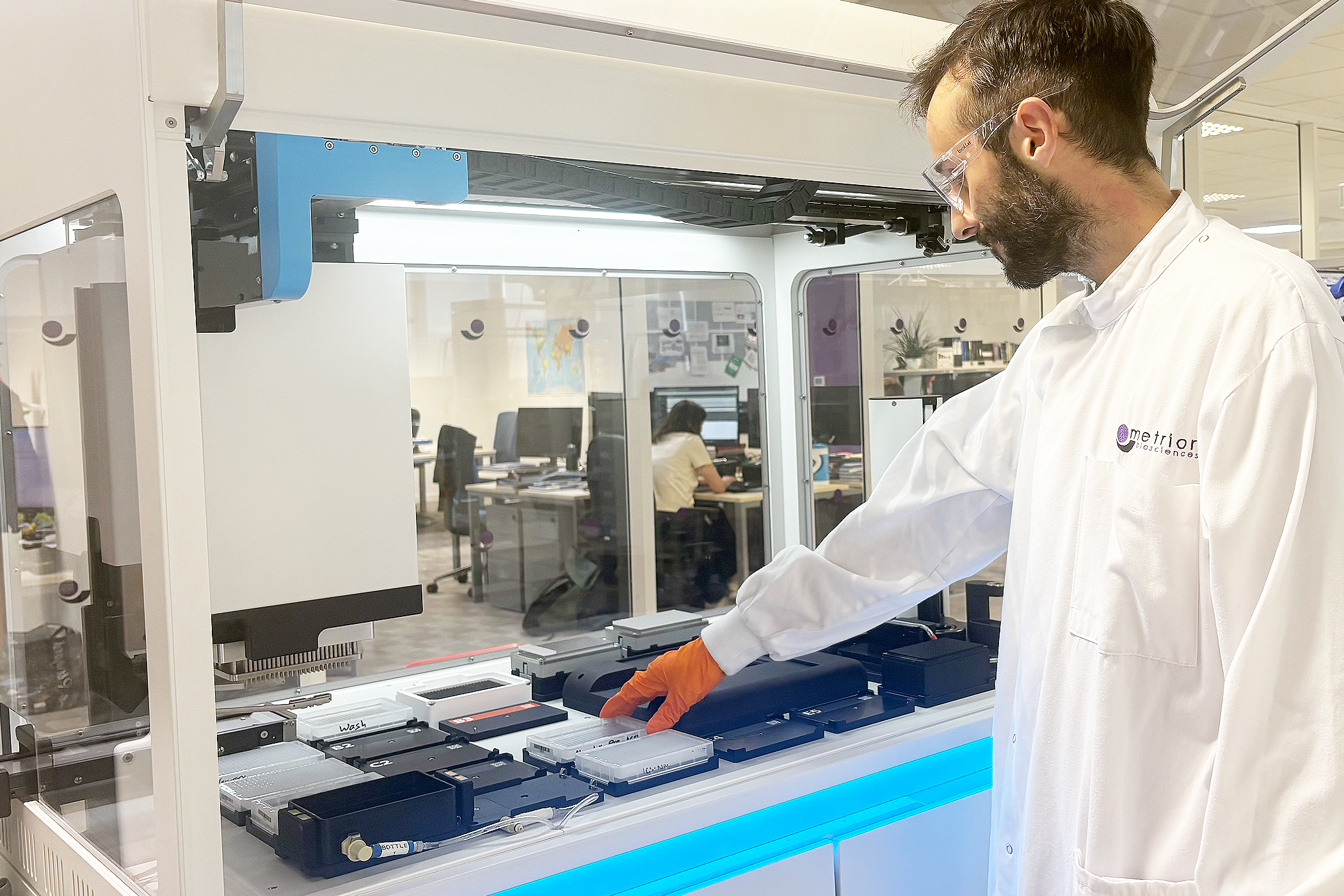
Qube high-throughput screening
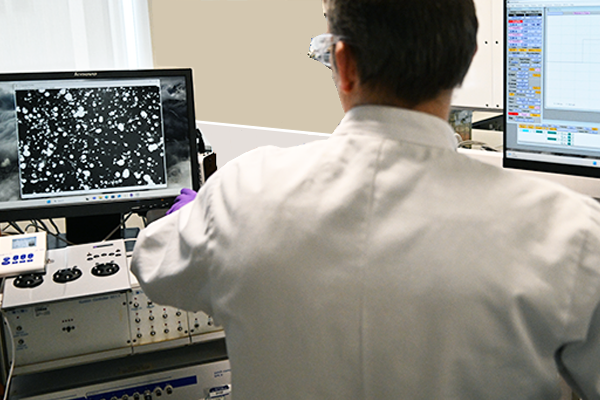
Metrion manual patch clamp electrophysiology
PatchScope output

High-throughput automated electrophysiology

Functional ion channel screening, pharmacology and compound profiling at scale.

Manual patch clamp

Detailed investigation of ion channel biophysics, compound pharmacology, mechanism of action and complex experimental questions.

Native and physiologically relevant models

Investigation of ion channel function and compound effects in neuronal and other biologically relevant systems.

Why choose Metrion as your CRO?

Specialist focus: Ion channels are at the core of what we do.

Deep expertise: More than 250 years of combined ion channel drug discovery experience across electrophysiology, pharmacology, assay development, screening and compound optimisation.

Drug discovery perspective: Expertise spanning electrophysiology, pharmacology, assay development and compound optimisation.

Breadth of approaches: From high-throughput screening to detailed manual electrophysiology and native neuronal models.

Scientific partnership: Our scientists work as an extension of client teams, helping interpret results and determine the most valuable next experiments.

Read more about choosing the right CRO for ion channel drug discovery.

Frequently asked questions

What is ion channel drug discovery?

Ion channel drug discovery focuses on identifying and developing compounds that modulate the activity of ion channels for therapeutic benefit. Ion channels regulate electrical signalling and many other physiological processes and are important drug targets across therapeutic areas including neuroscience, pain and cardiovascular disease. Drug discovery programmes can involve target validation, assay development, screening, compound characterisation, selectivity assessment and lead optimisation. Ion channel expertise is also critical to assessing potential cardiac safety liabilities during drug development.

Why choose a specialist ion channel CRO?

Ion channel drug discovery requires more than access to electrophysiology technology. It requires highly specialised scientists with deep expertise in ion channel biology, pharmacology and electrophysiology who can design the right experiments, troubleshoot complex assays and interpret functional data in the context of the wider drug discovery programme.

At Metrion, our scientists do not simply deliver data. We work collaboratively with clients to explain what the results mean, place them in the context of target biology and compound pharmacology, and provide scientific recommendations to help determine the most appropriate next steps. This combination of specialist expertise, expert interpretation and scientific partnership helps clients make better-informed decisions and progress their programmes with greater confidence.

How is electrophysiology used in ion channel drug discovery?

Electrophysiology is used in ion channel drug discovery to directly measure ion channel function and determine how compounds modify channel activity. Automated electrophysiology enables ion channel screening and compound profiling at scale, while manual patch clamp can provide detailed investigation of channel biophysics, pharmacology and mechanism of action. The appropriate approach depends on the target, compounds and scientific questions being investigated.

Which ion channel targets can Metrion support?

Metrion can support drug discovery programmes across the breadth of ion channel targets and families. Our specialist scientists have the expertise to develop and optimise assays for established, emerging and technically challenging ion channel targets, tailoring the experimental approach to the biology of the target and the specific needs of the drug discovery programme.

How does Metrion support pain and neuroscience drug discovery?

Metrion supports pain and neuroscience drug discovery by combining specialist ion channel expertise with functional assays spanning recombinant systems through to physiologically relevant neuronal models. This enables researchers to investigate target pharmacology, compound potency, selectivity and mechanism of action, and explore effects on neuronal excitability as programmes progress.

Can Metrion support ion channel programmes from assay development through lead optimisation?

Yes. Metrion can support ion channel programmes across the drug discovery journey, from target investigation and assay development through screening, hit identification, compound characterisation, SAR and lead optimisation. Our scientists can provide continuity across these stages, helping ensure experimental strategy and data interpretation evolve with the programme.
Ion Channel Screening Resource Library
Validation of antibody toxin fusions against sodium channels

Cardiac toxicity remains the leading cause of new drug safety side-effects. Current preclinical cardiac safety assays rely on in vitro cell-based ion channel assays and ex vivo and in vivo animal models⁽¹⁾. These assays provide an indication of acute risk but they do not always predict the effect of chronic compound exposure, as recently seen with oncology drugs. Therefore, new assays are required to characterise chronic structural and functional effects in human cells earlier in drug discovery. Impedance-based technology can provide more accurate chronic cardiotoxicity measurements in an efficient manner using human induced pluripotent stem cell-derived cardiomyocytes (hiPSC-CMs).

Evaluation of hNav1.9 Screening Cascade for Analgesic Drug Discovery

Automated patch clamp enables robust NaV1.9 screening, accelerating discovery of selective sodium channel modulators for pain research.

VIEW ALL RESOURCES
magnifier
linkedin facebook pinterest youtube rss twitter instagram facebook-blank rss-blank linkedin-blank pinterest youtube twitter instagram